Designing a bedroom for an 8-year-old girl means balancing her current interests with a layout that won’t feel babyish in two years. At this age, she’s developing her own opinions about color, style, and how she wants to use her space, but she’s also growing fast, and what feels perfect today might feel outgrown by middle school. The goal is creating a room that reflects her personality while incorporating practical elements like smart storage, flexible furniture, and finishes that can evolve. This guide walks through design choices that work now and adapt later, from paint colors that age well to furniture that pulls double duty.
Table of Contents
ToggleKey Takeaways
- 8 year old girl bedroom ideas thrive on flexible, neutral foundations that adapt as she grows—avoid permanent themes and opt for swappable decor instead of character wall murals.
- Use soft neutral base colors with accent walls or peel-and-stick wallpaper to bring bold color without limiting future design choices as her style evolves.
- Smart storage solutions like cube organizers, under-bed rolling bins, and floating shelves maximize space and keep toys, books, and school supplies organized without overwhelming the room.
- Create activity zones for homework, creative play, and relaxation to help her use the space more effectively and develop organization habits.
- Choose multi-functional furniture like twin beds with trundles, captain’s beds with drawers, and adjustable chairs to save space while meeting her growing needs.
- Anchor all tall furniture and dressers to walls with safety hardware to prevent tip-overs, a non-negotiable priority for child safety.
Understanding What 8 Year Olds Want in Their Bedroom
Eight-year-olds are transitioning from little-kid toys to more complex hobbies, think chapter books, craft projects, building sets, and social play. They want a space that feels like theirs, with room to express themselves through decor, collections, and display areas.
Most kids this age need zones for different activities: assignments and reading, creative play, and downtime. They’re also developing preferences about privacy and organization, even if execution is still hit-or-miss. Ask her what she loves, favorite colors, hobbies, whether she wants a cozy nook or open floor space, and use that as your starting point.
Avoid theme overkill. A wall mural of her current favorite character might thrill her now, but it’s a pain to change later. Instead, let smaller, swappable elements (bedding, posters, accessories) carry the themed load while walls and furniture stay neutral enough to grow with her tastes.
Color Schemes That Grow with Her
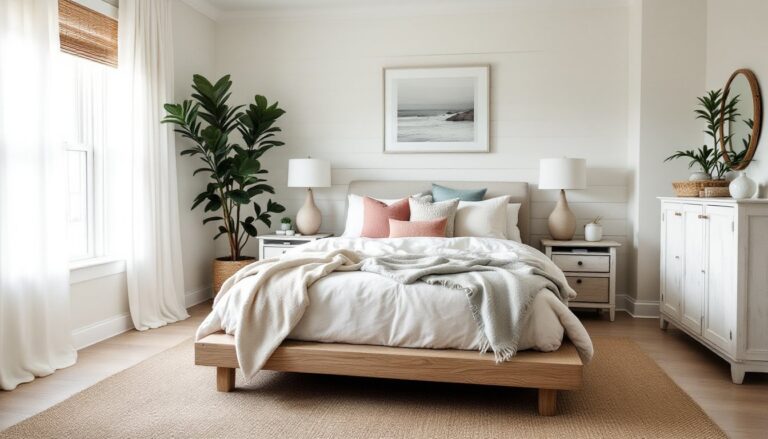
Skip the bubblegum pink or ultra-saturated purple on all four walls. Those shades date fast and limit future flexibility. Instead, use soft neutrals as a base, warm whites, light grays, greige, or muted beige, and bring in color through accent walls, textiles, and accessories.
If she loves bold color, paint one accent wall in her favorite shade or use removable peel-and-stick wallpaper with a pattern she can update as tastes change. Brands like Tempaper and RoomMates offer designs from geometric prints to botanicals that install without paste and peel off cleanly.
Two-tone walls also work well: paint the lower third or half in a deeper tone (dusty rose, sage green, slate blue) and the upper portion in white or cream. This adds visual interest without overwhelming the space and makes the room feel taller.
For trim and doors, semi-gloss white is standard, it’s durable, easy to clean, and doesn’t compete with wall color. One gallon of quality paint (like Benjamin Moore Regal Select or Sherwin-Williams Duration Home) covers about 400 square feet and costs $50–$70, depending on your market.
Storage Solutions for Toys, Books, and School Supplies
An 8-year-old’s bedroom collects stuff fast: toys, books, art supplies, school projects, sports gear, collections. Without smart storage, clutter piles up on every surface.
Cube organizers (like the IKEA Kallax series) are workhorses. They’re modular, inexpensive, and you can mix open cubes with fabric bins or baskets to hide smaller items. A 4×2 or 4×4 unit offers both display space and concealed storage. Anchor tall units to the wall with L-brackets or the included tip-over restraint hardware, this is non-negotiable for safety, especially in earthquake-prone areas or homes with younger siblings.
Under-bed storage reclaims wasted space. Rolling bins, shallow drawers, or a bed frame with built-in storage (like a captain’s bed) keep out-of-season clothes, extra bedding, or bulky toys out of sight. Measure clearance first: many bed frames sit 10–14 inches off the floor, but storage bins need at least 6 inches to roll freely.
Floating shelves work for books and display items. Install them with heavy-duty brackets rated for the load (books are heavier than they look). Space shelves 10–12 inches apart for most children’s books: picture books and binders need 12–14 inches. Use a level and locate studs with a stud finder for secure mounting. Toggle bolts work in drywall if studs aren’t where you need them, but they’re rated for less weight, check packaging.
Pegboard or wall-mounted bins keep art supplies, hair accessories, or small collections organized and visible. Pre-made pegboard panels from home centers come in 2×4-foot or 4×4-foot sizes and can be painted to match the room.
Creative Wall Decor and Personalization Ideas
Walls are the easiest place to let her personality show without a major commitment. Gallery walls with a mix of framed art, photos, and personal touches (ribbons, certificates, her own drawings) create a custom look. Use matching frames in a single finish (white, black, natural wood) to keep it cohesive even when the contents change.
Peel-and-stick decals are mess-free and removable. Look for designs that feel age-appropriate now and won’t scream “little kid” in a year, think constellations, mountains, botanical prints, or abstract shapes rather than cartoon characters.
String lights or fairy lights add ambiance without hardwiring. Battery-operated or plug-in LED strands are low-heat and energy-efficient. Keep cords tidy and away from fabric or paper to avoid fire hazards. Some design inspiration platforms showcase creative lighting layouts that balance function and style.
DIY canvas art is a project she can help with. Stretch canvases in various sizes, acrylic paints, and painter’s tape for geometric patterns make this approachable for beginners. Seal finished pieces with a matte acrylic spray if they’ll be handled often.
Corkboard or magnetic boards offer rotating display space for photos, postcards, tickets, and reminders. Framed corkboard tiles (available at craft stores or office supply retailers) look cleaner than bulletin boards and can be arranged in patterns.
Furniture Picks That Balance Function and Fun
Choose furniture that does more than one job. A twin bed with a trundle underneath accommodates sleepovers without taking up floor space the rest of the time. Captain’s beds with built-in drawers replace a separate dresser and free up square footage.
If she’s outgrowing a toddler bed, a standard twin (39 x 75 inches) is the safe bet. Twin XL (39 x 80 inches) adds length for tall kids and works through college. Full-size beds (54 x 75 inches) offer more sleeping room but eat up floor space in smaller bedrooms, measure first.
Desks are essential by this age for assignments and hobbies. Look for one with a minimum of 24 inches depth and 36–48 inches width for comfortable workspace. Adjustable-height desks grow with her, but they cost more. A fixed-height desk paired with an adjustable chair works fine, seat height should allow her feet to rest flat and elbows at 90 degrees when typing or writing.
Many DIY furniture builders offer free plans for kid-friendly desks, bookshelves, and storage pieces if you’re comfortable with basic carpentry. You’ll need a miter saw or circular saw, drill/driver, wood glue, and pocket hole jig for most projects. Use nominal 1x and 2x pine or poplar (actual dimensions are ½ inch smaller) and finish with primer and paint or stain and polyurethane.
Seating beyond the bed matters for reading or hanging out with friends. A bean bag chair, floor cushion, or small upholstered chair adds flexibility. If space is tight, large floor pillows store easily in a closet.
Dressers should be anchored to the wall with furniture straps or L-brackets. Tip-overs cause serious injuries, especially when kids climb drawers like stairs. Most manufacturers include anchoring hardware, but you can also buy kits at any home center for under $10.
Creating Activity Zones for Homework, Play, and Relaxation
Even in a small room, defining zones helps her use the space more effectively and keeps clutter from spreading everywhere.
Assignments zone: Position the desk near a window for natural light, but not directly facing it (glare on screens and paper is distracting). Add a desk lamp with an adjustable arm, look for LEDs rated at 450–800 lumens for task lighting. Include a small bookshelf or wall-mounted shelves within arm’s reach for school supplies and reference books.
Creative play zone: This might be a cleared floor area with a low table for art projects, building sets, or crafts. Use a washable rug to define the space and protect flooring from spills. Keep supplies in labeled bins on a nearby shelf for easy cleanup. Some IKEA furniture hacks transform basic pieces into custom storage or play setups that fit tight spaces.
Relaxation zone: A cozy corner with a small armchair, bean bag, or floor cushions, a side table, and good lighting makes a dedicated reading nook. Add a small bookshelf or wall-mounted book ledges to keep current reads accessible. String lights or a small table lamp create ambiance without overhead glare.
Sleep zone: Keep this area calm and clutter-free. Blackout curtains or cellular shades help with early summer sunlight. A small nightstand holds a lamp, water bottle, and a book. If she’s afraid of the dark, a low-wattage LED night light (under 5 watts) plugged into a baseboard outlet provides enough glow without disrupting sleep.
In shared bedrooms, use room dividers, curtains on a tension rod, or strategically placed furniture (like a bookshelf turned perpendicular to the wall) to create a sense of separate zones without permanent construction.
Conclusion
Designing a bedroom for an 8-year-old girl doesn’t mean locking into a theme that’ll feel dated by fourth grade. Focus on flexible foundations, neutral walls, smart storage, and furniture that multitasks, then let her personality show through in the details she can swap out as she grows. Prioritize function, safety, and her input, and you’ll build a space she’ll actually use and enjoy for years.