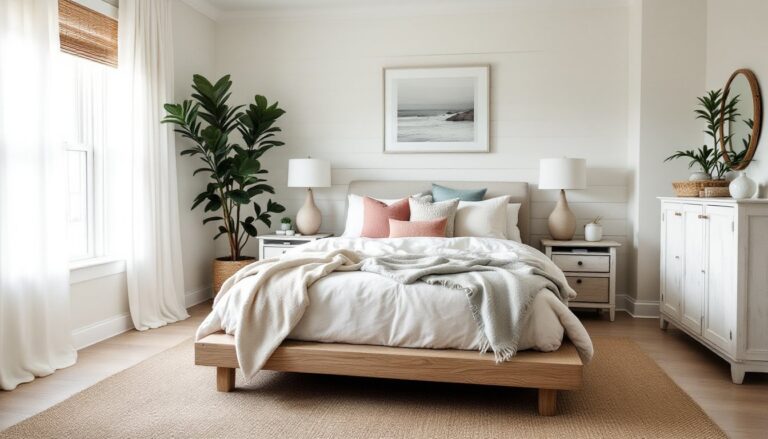
Bedroom lighting often gets reduced to a single overhead fixture and maybe a bedside lamp, but that’s leaving atmosphere, function, and style on the table. Floor lamps fill the gap between harsh overhead glare and dim bedside glow, offering task lighting where it’s needed and ambiance where it matters. They’re also easier to install than ceiling fixtures (no electrical work, no drywall patching) and flexible enough to move when layouts change. Whether someone’s outfitting a reading corner, flanking a headboard, or adding sculptural presence to a bare corner, the right floor lamp does more than illuminate, it anchors the room. Here’s a breakdown of bedroom floor lamp ideas that work in 2026, from sleek modern designs to vintage character pieces, plus placement strategies that actually make a difference.
Table of Contents
ToggleKey Takeaways
- Bedroom floor lamp ideas solve common lighting problems by layering ambient, task, and accent lighting without requiring electrical work or permanent modifications, making them ideal for renters and anyone seeking flexible design upgrades.
- Modern minimalist floor lamps with clean lines and matte finishes work best in contemporary bedrooms, while arc lamps excel for reading nooks and bedside lighting by directing focused task light without taking up table surface space.
- Vintage and industrial-style floor lamps add character to eclectic bedrooms, but require specialty bulbs like filament LEDs to maintain aesthetic appeal and may need rewiring to meet electrical codes.
- Smart floor lamps with color-tuning (2700K to 5000K+), voice control, and built-in USB charging eliminate nightstand clutter while allowing app-based adjustments without leaving bed.
- Proper placement is critical: position lamp shades at shoulder height for bedside use, place task lamps behind and to the side of reading chairs, and run cords along baseboards to prevent tripping hazards and ensure safety in homes with children or pets.
Why Floor Lamps Are Essential for Bedroom Design
Floor lamps solve two common bedroom problems: poor task lighting and one-dimensional overhead fixtures. Most bedrooms rely on a single ceiling light, which casts flat, unflattering illumination and does nothing for reading, dressing, or creating mood zones. Floor lamps let homeowners layer light sources, a concept interior designers call ambient, task, and accent lighting, without hiring an electrician or cutting into ceilings.
From a practical standpoint, floor lamps are also renter-friendly. They plug into standard outlets, require no hardwiring, and move with minimal effort. That makes them ideal for anyone who wants to upgrade lighting without permanent modifications. In bedrooms where wall switches control outlets (common in older homes), a floor lamp with a built-in switch or smart plug offers independent control without rewiring.
Floor lamps also add vertical interest. Bedrooms tend to cluster furniture and decor at eye level, nightstands, dressers, artwork, but a 5- to 6-foot lamp draws the gaze upward and balances room proportions. In spaces with high or vaulted ceilings, they help fill vertical space that would otherwise feel empty. And because they occupy floor space rather than surface area, they free up nightstands and dressers for books, plants, or alarm clocks.
Modern Minimalist Floor Lamps for Contemporary Bedrooms
Minimalist floor lamps prioritize clean lines, matte finishes, and geometric shapes, think slim tripod bases, single-pole torchieres, or cylinder shades in black, white, or brushed metal. They suit bedrooms with neutral palettes, platform beds, and uncluttered surfaces. The goal is to add function without visual noise.
Torchiere lamps with upward-facing shades are popular in this category. They bounce light off the ceiling for soft, diffused illumination that doesn’t cast harsh shadows. Models with dimmer switches or three-way bulbs (50/100/150 watts) offer flexibility for reading versus winding down. Look for designs with a weighted base or powder-coated steel construction, cheap torchieres tip easily, especially in homes with pets or kids.
For bedrooms with mid-century modern or Scandinavian influence, wooden tripod lamps with linen or cotton shades fit seamlessly. The tripod base keeps the footprint small (usually under 18 inches in diameter), making them ideal for tight corners or alongside lounge chairs. Pair them with LED Edison bulbs (2700K color temperature) for warm light that complements natural wood tones.
Avoid lamps with overly thin poles or flimsy plastic joints, they wobble and rarely last more than a year. A solid minimalist lamp should feel substantial when assembled, with screw-together connections rather than snap-fit plastic parts. Many contemporary lighting designs focus on subtle elegance that enhances rather than dominates a room’s aesthetic.
Arc Floor Lamps for Reading Nooks and Bedside Lighting
Arc lamps extend a curved arm over seating or beds, positioning the light source where it’s needed without requiring a side table. They’re especially useful in bedrooms where nightstands are too small for table lamps or where one partner reads late while the other sleeps. The arc directs light downward in a focused cone, minimizing spill into the rest of the room.
Most arc lamps have a 60- to 80-inch reach from base to shade, which means the lamp can sit several feet away from the bed and still deliver overhead task lighting. The base needs to be heavy, expect 15 to 25 pounds in marble, concrete, or weighted steel, because the cantilevered arm creates torque. A light base will tip forward, especially if someone bumps the shade.
For bedside use, choose arc lamps with adjustable arms or rotating shades. Fixed-position arcs work fine for stationary reading chairs, but bedside placement often requires fine-tuning the light angle as people shift positions. Some models include built-in dimmers or two-bulb sockets (one for reading, one for ambient light), which adds versatility without cluttering the design.
Arc lamps do take up floor space, plan for a 12- to 18-inch base footprint, so they’re not ideal for narrow bedrooms or tight layouts. They also look awkward in rooms with low ceilings (under 8 feet), where the arc crowds the vertical space. In those cases, a swing-arm wall sconce or adjustable task lamp makes more sense.
Vintage and Industrial-Style Floor Lamps
Vintage and industrial floor lamps bring texture and character to bedrooms that lean rustic, eclectic, or loft-inspired. Think exposed Edison bulbs, cage shades, brass or copper finishes, and articulated arms reminiscent of old factory lighting. They pair well with reclaimed wood furniture, brick accent walls, and metal bed frames.
Pharmacy lamps are a go-to in this style. They feature an adjustable arm that swings horizontally and a shade that tilts vertically, making them highly functional for reading or task work. Original mid-century pharmacy lamps fetch high prices at estate sales, but modern reproductions with antique bronze or oil-rubbed finishes deliver the same look at a fraction of the cost. Look for models with metal shade interiors rather than painted plastic, they dissipate heat better and resist discoloration over time.
For a more dramatic statement, tripod searchlight lamps or stage-style spotlights on wheeled bases add industrial edge. These work best in larger bedrooms (14 by 14 feet or bigger) where their bulk doesn’t overwhelm the space. They’re also heavy, often 30 to 40 pounds, so moving them across carpet or hardwood requires effort.
Vintage-style lamps often use incandescent bulbs or filament LEDs to showcase the bulb as part of the design. Standard LED bulbs ruin the aesthetic, so budget for specialty bulbs that mimic the warm glow of old-school tungsten. Keep in mind that true vintage lamps may need rewiring to meet current electrical codes, if the cord is cloth-wrapped and brittle, replace it before use. Many homeowners integrate vintage lighting into eclectic interiors to create layered, personalized spaces.
Smart Floor Lamps with Adjustable Features
Smart floor lamps integrate voice control, app-based dimming, and color-tuning features that let users adjust lighting without leaving bed. They connect via Wi-Fi or Bluetooth to platforms like Alexa, Google Assistant, or Apple HomeKit, and many include scheduling features that mimic natural sunrise and sunset.
Color-tunable lamps adjust from warm white (2700K) to cool daylight (5000K+), which is useful for shifting from task lighting during the day to relaxing tones at night. Some models also offer RGB color modes for accent lighting, though that’s more novelty than necessity in a bedroom. Look for lamps with high CRI ratings (90 or above), cheap color-tunable LEDs render skin tones poorly and make rooms feel washed out.
Many smart lamps include built-in USB ports or wireless charging pads in the base, reducing nightstand clutter. That’s a practical feature for bedrooms where outlets are scarce or already occupied by alarm clocks, humidifiers, and phone chargers. Just confirm the charging pad supports Qi wireless standard if using an iPhone or Android device.
Smart lamps do require firmware updates and occasional app troubleshooting, so they’re not ideal for anyone who prefers plug-and-forget simplicity. Battery-powered options exist, but most smart floor lamps still require a wall outlet for power. If integrating with a home automation system, confirm compatibility before purchase, not all smart bulbs work with all hubs.
Placement Tips to Maximize Your Bedroom Floor Lamp
Floor lamp placement affects both function and safety. Start by identifying where task lighting is actually needed, next to a reading chair, flanking the bed, or illuminating a dressing area. Then check for outlet access and furniture clearance before committing to a spot.
For bedside placement, position the lamp so the bottom of the shade sits at shoulder height when someone’s seated or propped up in bed. This directs light onto the page or screen without glare. If using an arc lamp, the shade should hang 18 to 24 inches above the mattress. Too high, and the light scatters: too low, and it shines directly into eyes.
In reading nooks or corner chairs, place the lamp behind and slightly to the side of the seat, so the light comes over the shoulder. This minimizes shadows on the page and reduces eye strain. Avoid placing lamps directly behind someone’s head, the shade blocks the light, and the setup looks unbalanced.
Cord management matters more than most DIYers expect. Run cords along baseboards and secure them with cable clips or adhesive hooks to prevent tripping hazards. If the lamp sits in the middle of a room (common with arc lamps), use a flat extension cord designed to run under rugs or across walkways. Never run cords under heavy furniture or through doorways where they’ll get pinched.
In homes with young children or large pets, choose lamps with wide, heavy bases that resist tipping. Some manufacturers sell anti-tip straps or weighted plates that bolt to the base for extra stability. It’s a small investment that prevents broken glass and electrical hazards. Thoughtful placement can elevate a room’s functionality, as seen in well-designed bedroom layouts that prioritize both form and practical lighting.
Conclusion
Floor lamps offer more control, flexibility, and style than most fixed lighting ever will, without drywall surgery or permit applications. Whether someone’s drawn to the clean geometry of modern minimalism, the targeted function of an arc lamp, or the tactile character of vintage industrial designs, the right floor lamp reshapes how a bedroom feels and functions. Placement, bulb choice, and base stability matter as much as aesthetics, so measure twice and test lighting angles before declaring victory. A well-chosen floor lamp doesn’t just fill a corner, it makes the whole room work better.