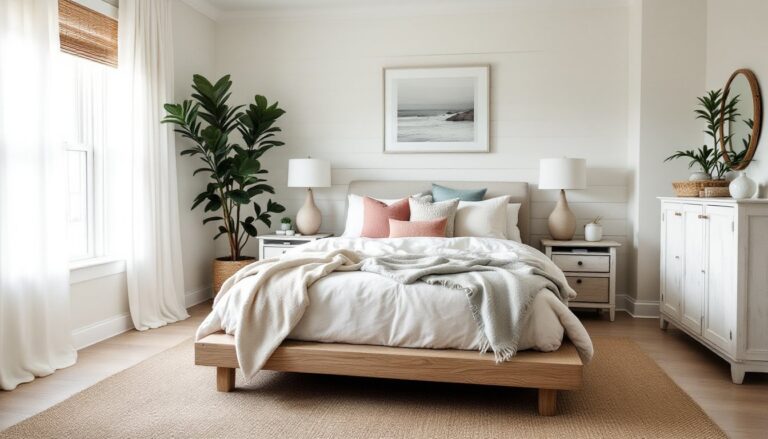
Small bedrooms present a solvable puzzle, not a permanent limitation. The difference between a cramped, cluttered sleep space and a functional, comfortable room often comes down to intentional choices, furniture that pulls double duty, strategic color placement, and storage that climbs walls instead of hogging floor area. These aren’t vague styling tips: they’re practical interventions that reclaim usable square footage. Whether working with a 10×10 spare room or a narrow urban apartment bedroom, the same core principles apply: edit ruthlessly, build upward, and let every item justify its footprint.
Table of Contents
ToggleKey Takeaways
- Multi-functional furniture like platform beds with drawers, floating shelves, and storage benches eliminate the need for separate pieces and reclaim valuable floor space in small bedrooms.
- Light, cool wall colors and monochromatic paint schemes paired with layered LED lighting and strategic mirror placement create the illusion of a larger, more open space.
- Vertical storage solutions—including floor-to-ceiling shelving, pegboard panels, and double-hang closet systems—maximize capacity without consuming additional floor area.
- Smart furniture placement against the longest wall with 24-36 inches of clearance on at least one side ensures safe egress and improves room flow in compact layouts.
- A ruthless decluttering approach combined with closed storage options and a one-in-one-out rule for possessions maintains a calm, spacious-feeling bedroom environment.
Smart Furniture Choices That Double Your Space
Furniture selection makes or breaks a small bedroom. Standard bed frames waste vertical real estate: platform beds with built-in drawers reclaim that void for off-season clothing, extra linens, or shoe storage. Look for models with four to six drawer units underneath, they replace a dresser entirely in rooms under 120 square feet.
Murphy beds (wall beds) remain the gold standard for flex spaces that serve as both bedroom and home office. Modern hardware kits cost $800–$1,500 and require lag bolts into wall studs rated for 500+ pounds. If the wall is load-bearing or you’re unsure of framing, hire a licensed contractor to verify fastening points. Some units integrate fold-down desks or shelving on the bed’s exterior face.
Nightstands eat floor space. Swap them for floating wall-mounted shelves (install with toggle bolts into drywall or screws into studs) or narrow C-shaped tables that slide under the mattress edge. A single 1×8 pine or poplar board cut to 18–24 inches and finished with polyurethane makes a simple floating shelf: mount it 24–30 inches above mattress height for phone, lamp, and book access.
Choose beds with exposed legs (6–8 inches of clearance) rather than solid bases. That gap permits robot vacuums, creates visual flow, and makes the room feel less anchored. For seating, a narrow storage bench at the foot of the bed provides a place to sit while putting on shoes and conceals blankets or gym gear inside.
Color and Lighting Strategies to Make Small Bedrooms Feel Larger
Paint performs optical work. Light, cool tones, soft grays, pale blues, muted greens, reflect more lumens than dark or warm hues, which absorb light and tighten perceived boundaries. A gallon of interior eggshell or satin finish paint covers roughly 350–400 square feet: one gallon handles most small bedrooms with two coats.
Painting the ceiling the same color as the walls erases the visual seam and stretches height. Avoid stark white ceilings in rooms with walls under 200 square feet, they create a boxy contrast. If the room has good natural light, consider a monochromatic scheme in shades of one color family to eliminate visual breaks.
Layer lighting instead of relying on a single overhead fixture. A centered ceiling light casts flat illumination and harsh shadows. Add a swing-arm wall sconce on each side of the bed (wired during construction or plug-in models work fine) to free up nightstand space. Use LED bulbs in 2700–3000 Kelvin for warm, restful light: 800–1000 lumens per bulb is enough for reading without glare.
Mirrors double perceived space by reflecting light and sightlines. A full-length mirror on the back of the door, a mirrored closet door, or a large framed mirror opposite a window will visibly expand the room. Avoid placing mirrors directly opposite the bed if they cause disorientation at night, mount them on adjacent walls instead.
Vertical Storage Solutions That Work
Floor space is finite: walls are underutilized. Floor-to-ceiling shelving units (12–16 inches deep) installed along one wall create a library of storage without occupying more than a foot of room depth. Use adjustable track systems like standards and brackets, which allow shelf height changes as needs evolve. Anchor the top of tall units to wall studs with L-brackets to prevent tipping, essential if you live in a seismic zone or have children.
Pegboard panels aren’t just for garages. A 4×8-foot sheet of 1/4-inch tempered hardboard pegboard, painted to match the wall and mounted on 1×2 furring strips for hook clearance, turns a blank wall into flexible storage for hats, bags, jewelry, or small plants. Use metal pegboard hooks rated for the item weight.
Closet systems multiply capacity. Swap a single hanging rod for a double-hang configuration: one rod at 80 inches (for dresses and coats) and another at 40 inches (for shirts and folded pants). Add a narrow shelf above the top rod and pull-out bins or wire baskets below. Many budget home renovation strategies focus on closet organization as a high-impact, low-cost upgrade.
Over-door organizers (fabric or clear plastic pockets) hold shoes, accessories, or toiletries. Tension rods installed between walls create instant hanging space for scarves or lightweight garments. Both solutions require zero fasteners and work in rentals.
Layout and Placement Tips for Compact Bedrooms
Furniture placement dictates flow. Position the bed against the longest uninterrupted wall, ideally opposite the door for a clear sightline upon entry. Avoid centering the bed on a wall with windows unless you’re willing to forego nightstands, tight squeezes around furniture create bottlenecks.
Leave a minimum 24-inch clearance on at least one side of the bed for safe egress and making the bed without gymnastics. If space permits, 30–36 inches is more comfortable. In rooms narrower than 10 feet, consider pushing the bed into a corner to free walkway width.
Diagonal placement rarely helps in small bedrooms. It wastes corner space and creates awkward triangular dead zones. The exception: a bed angled in a square room with two windowed walls, where diagonal placement centers the bed and balances the layout.
Keep pathways clear. The main walking route from door to bed, closet, or window should remain unobstructed by furniture legs, cords, or storage bins. A cramped path makes the room feel smaller and increases tripping hazards, especially in low light.
Raise the bed on bed risers (4–8 inches) to create under-bed clearance for rolling storage bins. Risers install in minutes and cost $15–$30 for a set of four. Ensure they’re rated for your bed frame weight plus mattress and occupants, cheap plastic risers can crack under load.
Decluttering and Minimalist Design Approaches
Clutter multiplies in small spaces. Start by removing anything that doesn’t serve sleep, dressing, or genuine relaxation. Treadmills, office files, and laundry piles belong elsewhere. If the room must multitask, use a folding screen or curtain to visually separate zones, sleep area from work corner, for example.
Adopt a one-in, one-out rule for clothing and accessories. Every new item requires removing an old one. This prevents closet overflow and maintains breathable space. Store out-of-season clothing in vacuum-sealed bags under the bed or in a hall closet.
Limit decorative objects to items with function or deep personal meaning. A stack of three books, a single plant, or one framed photo delivers impact without visual noise. Resist the urge to fill every surface, negative space is an asset in tight quarters.
Closed storage beats open shelving for maintaining a calm aesthetic. Exposed items, even neatly arranged, create visual busyness. Use bins, baskets, or boxes on open shelves to contain smaller objects. Labels help everyone in the household maintain organization. Many small home renovation projects begin with editing possessions before making a single structural change.
Donate or sell duplicates, broken items, and anything unused in the past year. A bedroom that breathes feels larger than one crammed with rarely-touched belongings.
Creative Decor Ideas That Add Style Without Bulk
Decor in small bedrooms should enhance, not occupy. Peel-and-stick wallpaper on one accent wall adds pattern and depth without the commitment or mess of traditional wallpaper. It installs with a utility knife, smoothing tool, and patience: most products are renter-friendly and removable.
Vertical artwork draws the eye upward and emphasizes ceiling height. A single tall piece (24×36 inches or larger) commands more presence than a gallery wall of small frames, which can fracture visual space. Hang art so the center sits at eye level, typically 57–60 inches from the floor.
Textiles layer warmth without requiring floor space. A textured throw blanket, linen bedding, or a small area rug (5×7 feet max) adds softness and defines the sleeping zone. Choose low-pile or flatweave rugs in small rooms, high-pile shag visually shrinks space and complicates vacuuming.
Plants bring life without bulk if chosen carefully. A tall, narrow snake plant or fiddle leaf fig in a corner uses minimal footprint while filling vertical volume. Wall-mounted planters or hanging macramé holders keep greenery off surfaces entirely. Ensure adequate natural or grow light, low-light tolerant varieties include pothos, ZZ plants, and philodendrons.
Skip heavy drapes. Opt for light-filtering roller shades or sheer panels that preserve privacy while maximizing natural light. Roman shades mount inside the window frame to avoid visual bulk. If blackout capability is needed for sleep, choose cellular shades with a light-colored exterior face.
Conclusion
Small bedrooms reward intentional design. Furniture that stores, colors that reflect, and walls that hold more than paint transform square footage from limitation to opportunity. The best solutions aren’t trendy, they’re structural: building up, editing down, and making each choice count. Start with one high-impact change, measure twice, and let function guide form.