
Navigating Arkansas property taxes can feel like trying to find a needle in a haystack—blindfolded. Whether you’re a seasoned homeowner or a first-time buyer, understanding the ins and outs of property taxes is crucial. After all, nobody wants to be caught off guard by unexpected bills that could make even a seasoned tax pro break into a cold sweat.
In the Natural State, property taxes play a significant role in funding local services, but that doesn’t mean they have to be a headache. With a little knowledge and some savvy strategies, anyone can tackle these taxes like a pro. From understanding rates to exploring exemptions, this guide will help demystify Arkansas property taxes and maybe even bring a smile to your face—because who said tax talk can’t be fun?
Overview of Arkansas Property Taxes
Arkansas property taxes play a crucial role in funding essential local services such as education, public safety, and infrastructure. Understanding these taxes is vital for homeowners and potential buyers alike. The property tax system in Arkansas is primarily based on assessed value, which is a percentage of the market value of properties.
Tax rates vary by county, with the average effective property tax rate in Arkansas being around 0.61%. These rates significantly impact annual tax bills, which are determined by the assessed value of the property multiplied by the local tax rate. Property owners can access a variety of exemptions designed to lessen their tax burden. For instance, the Homestead Exemption allows homeowners to exclude a portion of their property’s assessed value from taxation, providing substantial savings.
Special assessments may also occur, targeting specific local improvements or services. For example, some areas may levy additional taxes for fire protection or road maintenance. It’s essential for property owners to stay informed about these assessments.
As property values fluctuate, property tax calculations adjust accordingly. Familiarity with the assessment process helps homeowners prepare for potential changes in their tax liabilities. Keeping track of local tax regulations and any updates from the Arkansas Assessment Coordination Department ensures compliance.
Ultimately, understanding Arkansas property taxes enhances financial planning for property ownership. While navigating the complexities might seem overwhelming, utilizing available resources makes it manageable and straightforward.
Understanding Property Tax Rates in Arkansas
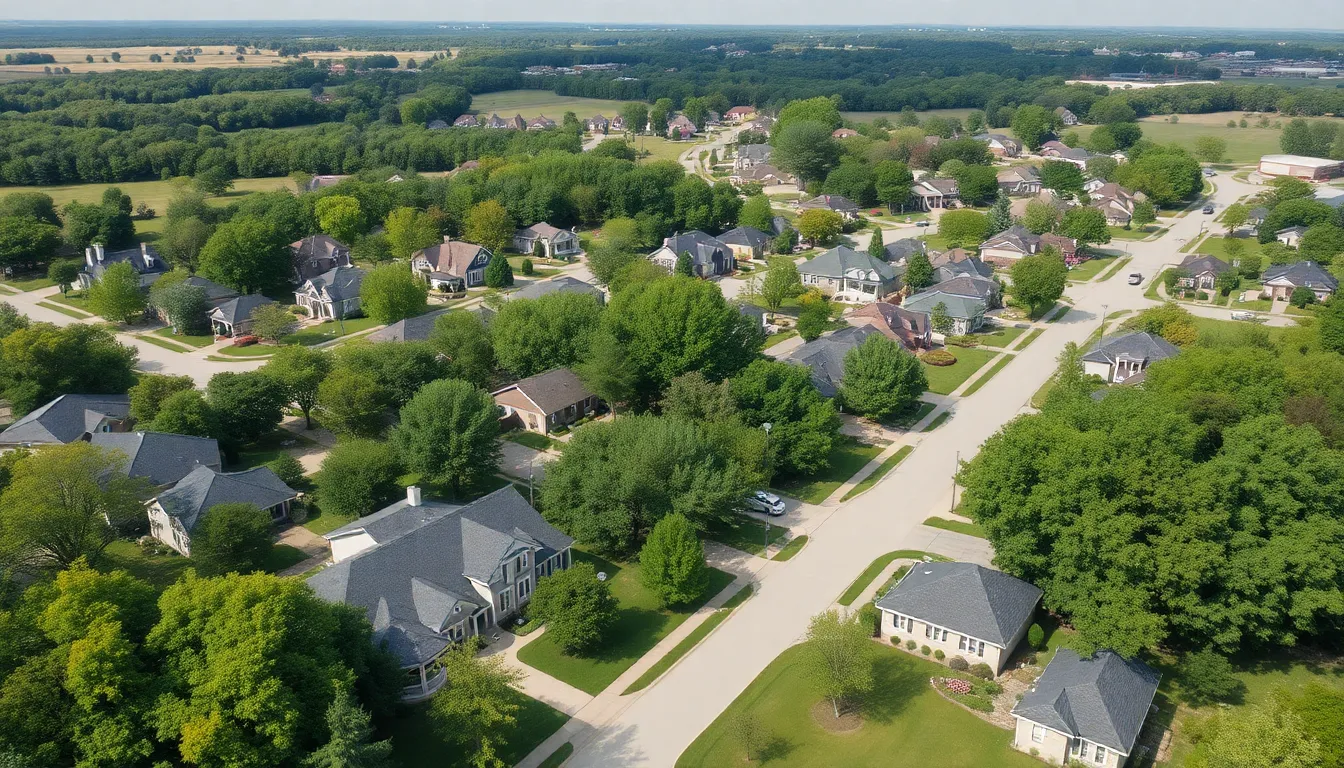
Property tax rates in Arkansas play a crucial role in local finance. These rates fund essential services like education and public safety, making them a key consideration for property owners.
State Average Property Tax Rate
The state of Arkansas has an average effective property tax rate of approximately 0.61%. This figure represents the amount homeowners can expect to pay relative to their property’s assessed value. Many states have higher rates, positioning Arkansas as an affordable option for homeowners. Property owners benefit from being aware of the state average as it provides a benchmark for financial planning.
Local Variations in Tax Rates
Local tax rates in Arkansas can vary widely, influenced by county needs and budgets. Some counties may impose higher rates to support specific initiatives, while others keep rates lower to attract new residents. For example, counties with higher populations or urban areas often face increased demands for services, leading to elevated tax rates. Homeowners should inspect their local tax rates by checking county assessor websites or local government resources. Understanding these variations helps property owners better anticipate their tax obligations.
Property Tax Assessment Process
Understanding how property taxes are assessed in Arkansas is essential for homeowners. The assessment process determines the taxable value of properties within the state.
How Properties are Assessed
Properties are assessed based on their market value, which considers factors like location, size, and condition. An assessor typically evaluates residential and commercial properties in each county during a triennial cycle. Assessments involve a combination of physical inspections and data analysis. Homeowners receive a notification from their county assessor about the assessed value, allowing them to review this information if they disagree.
Factors Influencing Property Taxes
Local tax rates vary significantly and are influenced by several key factors. County budgets, funding needs for education and public safety, and infrastructure projects all play a role. Property size, improvements, and neighborhood characteristics can also affect tax obligations. Various exemptions, such as the Homestead Exemption, further influence taxable values for qualifying homeowners. Engaging with local government resources helps homeowners understand these factors and anticipate their tax responsibilities effectively.
Exemptions and Relief Programs
Arkansas offers various exemptions and relief programs aimed at reducing property tax burdens for eligible residents.
Homestead Exemption
The Homestead Exemption allows homeowners to reduce their taxable assessed value by up to $375. This exemption applies to primary residences and instantly lowers the tax bill. To qualify, property owners must own and occupy their homes as their primary living area by January 1 of the assessment year. Claiming this exemption requires completing an application through the county assessor’s office. Renewals typically occur automatically, making it easy for homeowners to maintain eligibility.
Other Available Tax Relief Options
Beyond the Homestead Exemption, additional tax relief options exist. Veterans may receive special assessments for disabilities, lowering their assessed property value. Senior citizens can also benefit from tax deferral programs, allowing payment postponement until the sale or transfer of property. Some counties offer local exemptions for specific groups, such as nonprofit organizations or low-income households. Homeowners should consult with their county assessor to explore all available relief programs and understand eligibility criteria.
How to Pay Arkansas Property Taxes
Understanding how to pay property taxes in Arkansas helps homeowners manage their financial responsibilities effectively. Several methods are available for residents to fulfill their tax obligations.
Payment Methods
Paying property taxes in Arkansas can be done online, by mail, or in person. Online payments often occur through county assessor websites, offering convenience and security. Payment by check involves mailing payments to the designated county office, with clear markings on the envelope. Visiting the local tax collector’s office allows for in-person transactions, which some may prefer for immediate assistance. Acceptable payment forms typically include checks, money orders, and credit cards, though fees may apply for card payments. Ensuring timely payment through any of these methods prevents additional stress.
Due Dates and Penalties
Property tax payments in Arkansas are generally due on October 15 each year. Some counties may set different local due dates, so checking specific deadlines is crucial. Late payments incur penalties, generally starting at 10% of the due amount after the due date. Further delays may increase penalties and interest charges, compounding the original tax owed. Homeowners can avoid these penalties by confirming due dates and planning their payments in advance. Maintaining awareness of penalties encourages timely payment, helping to avoid complications.
Understanding Arkansas property taxes is crucial for homeowners at any stage. With a bit of knowledge and the right resources, managing these taxes can become a straightforward task. The state’s average effective tax rate of 0.61% offers an attractive option for many, while various exemptions and relief programs can further ease the financial burden. Staying informed about local rates and payment deadlines is essential for avoiding penalties. By leveraging available resources and understanding the assessment process, residents can navigate the property tax landscape with confidence and ensure they make the most of their investment in their homes.

