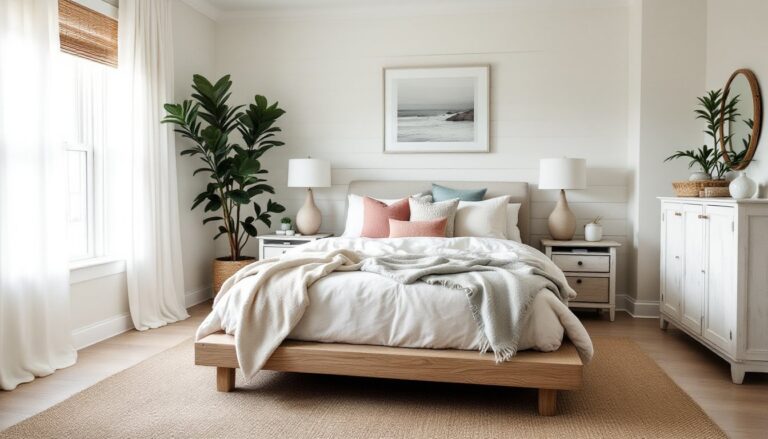
Running out of space? Adding a bedroom can solve more than just sleeping arrangements, it adds resale value, accommodates growing families, and creates room for home offices or guest quarters. Whether homeowners choose to convert existing square footage or build entirely new construction, the options range from straightforward weekend projects to major structural undertakings requiring permits, professionals, and patience. This guide breaks down the most practical bedroom addition ideas, from attic conversions to second-story suites, with honest talk about costs, complexity, and code requirements.
Table of Contents
ToggleKey Takeaways
- Bedroom addition ideas can increase home value by 10–20% while solving space challenges for growing families, remote workers, and guests—making it a smart investment with measurable ROI.
- Attic conversions cost $25,000–$75,000 but require structural assessment, proper egress windows ($3,000–$8,000 for a dormer), and ceiling height verification to meet the IRC’s 7-foot minimum requirement.
- Basement bedroom transformations demand waterproofing, code-compliant egress windows ($2,500–$5,000 each), and mold-resistant materials; plan $15,000–$50,000 for a properly finished space.
- Ground-level bedroom additions offer the most flexibility and cost $100–$250 per square foot ($20,000–$50,000 for a 200-sq-ft room), with foundation and roofing work requiring professional framing expertise.
- Second-story bedroom suites maximize vertical space but rarely support DIY work; expect $150–$300+ per square foot ($45,000–$90,000+ for 300 sq ft) and mandatory structural engineering to prevent foundation issues.
- Always pull permits, schedule required inspections, and maintain detailed records—skipping this step risks fines, failed resale inspections, and insurance claim denials.
Why Add a Bedroom to Your Home?
A bedroom addition delivers measurable ROI. Industry data consistently shows an additional bedroom can increase home value by 10–20%, depending on local market conditions and whether the addition includes a full bathroom. Beyond resale figures, the practical benefits matter more for most homeowners.
Growing families need space. Aging parents may require a first-floor suite with accessible features. Remote work turned spare rooms into offices, leaving guests without a place to sleep. A finished bedroom also beats unfinished square footage in appraisals, assessors don’t count unfinished basements or attics at full value.
Before breaking ground or tearing into walls, homeowners should check zoning regulations. Setback requirements, lot coverage limits, and bedroom egress codes (especially window size and placement) vary by jurisdiction. Most jurisdictions follow the International Residential Code (IRC), which mandates at least one egress window with a minimum opening of 5.7 square feet and a sill height no higher than 44 inches above the floor. Ignoring these rules creates headaches during resale inspections.
Converting Existing Spaces into Bedrooms
Attic and Loft Conversions
Attic conversions work best when ceiling height, floor structure, and access already meet basic requirements. The IRC requires habitable rooms to have at least 50% of floor area with ceilings 7 feet or higher. Measure before planning furniture layouts, sloped rooflines eat usable space fast.
Structural considerations: Most attic floors are built as ceiling joists, not floor joists, and weren’t designed to carry bedroom loads (typically 30 pounds per square foot live load plus 10 psf dead load). Sistering on additional 2×8 or 2×10 joists usually solves this, but hire a structural engineer or experienced contractor to verify. Cutting into roof trusses without professional guidance can compromise the entire roof system.
Egress and HVAC: Adding a code-compliant egress window often means cutting through roof framing and installing a dormer. Budget $3,000–$8,000 for a basic shed dormer with window. Extending ductwork for heating and cooling adds another $1,500–$3,000, depending on whether the existing HVAC system has capacity. Undersized systems struggle, leading to comfort issues and higher utility bills.
Insulation and finishing: Attics need serious insulation upgrades, R-38 to R-60 in most climates for ceilings, R-19 to R-21 for knee walls. Spray foam works well in tight rafter bays but costs more than fiberglass batts. Don’t skip vapor barriers: attic moisture problems destroy finishes and breed mold. Drywall, flooring, electrical, and trim work follow standard bedroom finishing. Total DIY-friendly attic conversion costs run $25,000–$75,000, depending on size and existing conditions.
Basement Bedroom Transformations
Basement bedrooms face different challenges: moisture, egress, and natural light. Even “dry” basements need waterproofing. Start outside, grade soil away from the foundation, clean gutters, and extend downspouts at least 6 feet from the house. Inside, apply waterproof membrane or hydraulic cement to walls, and consider a sump pump if groundwater is an issue.
Egress windows are non-negotiable for legal bedrooms. This means cutting through a concrete or masonry foundation, not a DIY job unless the homeowner owns a concrete saw and has done it before. Professional egress window installation, including the window well and ladder, costs $2,500–$5,000 per window.
Floor and wall prep: Concrete floors need a vapor barrier (6-mil polyethylene minimum) before any finished flooring. Many homeowners choose luxury vinyl plank (LVP) or engineered wood: both handle minor moisture better than solid hardwood. Frame walls with pressure-treated bottom plates, and insulate with R-15 batts or rigid foam (R-10 to R-15). Drywall should be mold-resistant: consider DensArmor Plus or similar products.
Ceiling height: The IRC requires habitable rooms to have 7-foot ceilings minimum. Basements with lower ceilings can sometimes dig down and pour a new slab, but that’s expensive ($10,000–$30,000+) and requires engineering. If mechanicals (ducts, pipes, beams) drop below 7 feet, box them in and keep furniture or storage below those soffits. Basement bedroom projects, done right, cost $15,000–$50,000 depending on scope.
Building a Ground-Level Bedroom Addition
Ground-level additions, bumping out from the existing footprint, offer the most flexibility and typically don’t require navigating attic trusses or basement moisture. They do require permits, foundation work, and matching exterior finishes.
Foundation choices: Most additions use a slab-on-grade foundation (cheapest, $4–$8 per square foot) or a crawlspace ($7–$14 per square foot). Full basements cost significantly more. Footings must extend below the frost line, check local codes, as frost depth varies from 12 inches in warm climates to 48+ inches in northern regions.
Framing and roofing: Standard 2×6 wall framing with R-20 insulation meets most energy codes. Roof framing should match the existing house pitch when possible for a cohesive look. Tying into existing roof structure often requires removing shingles, cutting rafters, and installing a structural ridge or header. This is where a professional framer earns their paycheck. Roofing contractors charge $350–$550 per square (100 square feet) for architectural shingles, including underlayment and flashing.
Windows, electrical, and HVAC: Plan window placement for natural light and cross-ventilation. Bedrooms need at least one egress window. Electrical work requires permits in most areas: expect to pay $1,200–$2,500 for outlets, switches, and lighting. Extending HVAC depends on existing system capacity, running new ductwork costs $1,000–$2,500, but if the furnace or AC unit is undersized, budget for a new system ($4,000–$10,000+).
Exterior finishing: Matching siding, trim, and paint to the existing home keeps the addition from looking tacked on. Vinyl siding costs $3–$8 per square foot installed: fiber cement runs $6–$12. Many home improvement platforms provide regional cost breakdowns, but expect ground-level additions to run $100–$250 per square foot, all-in. A 200-square-foot bedroom addition costs $20,000–$50,000 depending on finishes and whether homeowners tackle portions themselves.
Adding a Second-Story Bedroom Suite
Second-story additions maximize lot space but demand serious structural evaluation. Not every house can support a second floor without foundation reinforcement.
Structural engineering: Hire a structural engineer before signing contracts. Many older homes, especially those on crawlspaces or shallow footings, need foundation upgrades, helical piers, underpinning, or new footings, adding $10,000–$40,000+ to the project. Exterior walls may need additional studs or posts to carry the new floor loads.
Access and stairs: Adding a second story requires stairs. A standard straight staircase needs roughly 36–40 square feet of floor space (both levels). Spiral stairs save space but aren’t ideal for moving furniture or for aging homeowners. Stair construction must meet IRC rise and run requirements: maximum riser height of 7¾ inches, minimum tread depth of 10 inches.
Roofing and weather protection: The existing roof comes off entirely. During demolition and framing, the house is exposed to weather. Contractors typically work fast and use tarps, but plan for potential rain delays. Homeowners should move valuables and cover interior spaces with plastic sheeting.
Complexity and cost: Second-story additions are rarely DIY-friendly. Between engineering, permits, foundation work, framing, roofing, stairs, HVAC, plumbing (if adding a bathroom), electrical, insulation, drywall, and finishes, costs run $150–$300+ per square foot. A modest 300-square-foot bedroom suite costs $45,000–$90,000 or more. Many experienced DIYers and contractors recommend exploring ground-level or conversion options first unless lot constraints or zoning make vertical the only option.
Design Considerations for Your New Bedroom
Functional design starts with accurate measurements and realistic furniture layouts. A queen bed is 60×80 inches: add nightstands, dresser, and walking space, and a bedroom needs at least 120 square feet to avoid feeling cramped. King beds require closer to 150 square feet minimum.
Lighting and electrical: Plan for layered lighting, overhead fixture on a switch, bedside outlets for lamps, and possibly a ceiling fan. NEC (National Electrical Code) requires receptacles on walls 12 feet or longer, spaced so no point along the wall is more than 6 feet from an outlet. Install USB outlets near the bed for device charging.
Closet space: The IRC doesn’t technically require a closet for a bedroom, but resale value and livability suffer without one. A minimum reach-in closet measures 24 inches deep and 36 inches wide. Sliding doors save floor space compared to hinged doors. For tight budrooms, a well-designed wardrobe or armoire can substitute.
Soundproofing: Adding a bedroom near living spaces or above existing rooms calls for sound control. Use resilient channel or soundproofing clips on ceiling joists, double layers of ⅝-inch drywall, and fiberglass batt insulation in wall and ceiling cavities. Solid-core doors and good weatherstripping around the frame reduce noise transmission.
Windows and ventilation: Bedrooms benefit from windows on at least two walls for cross-ventilation, though code only requires one egress window. Plan window placement to avoid furniture conflicts, don’t put a window where the bed headboard needs to go. Consider low-E glass in extreme climates to cut heating and cooling costs.
Aesthetic cohesion: Match flooring, trim profiles, and door styles to the rest of the house unless doing a complete remodel. Mismatched details scream “addition” and hurt resale appeal. Paint is the easiest fix, use the same wall color palette throughout to unify old and new spaces. Many homeowners exploring creative expansion approaches find consistent finishes make even budget additions feel like original construction.
Permits and inspections: Most bedroom additions, whether conversions or new construction, require permits. Structural, electrical, and mechanical work all get inspected. Working without permits risks fines, failed inspections during resale, and insurance claim denials if something goes wrong. Pull permits, schedule inspections, and keep records. It’s not glamorous, but it’s how projects stay legal and safe.