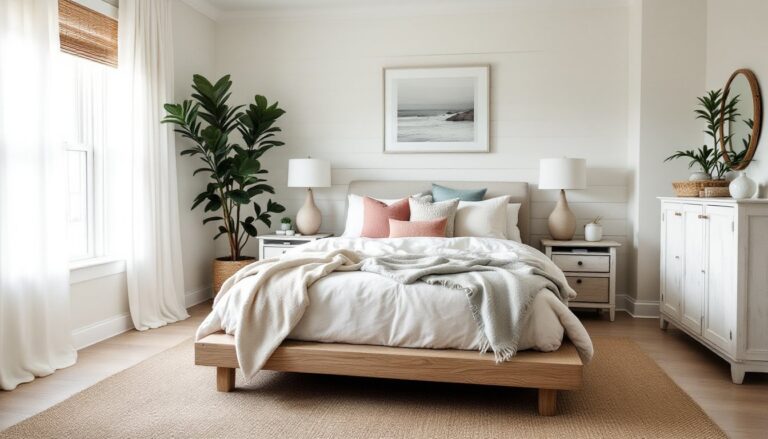
A small bedroom doesn’t mean sacrificing comfort or style, it just requires smarter choices. Whether you’re dealing with a cramped master, a converted closet-turned-guest room, or a kid’s bedroom that feels tighter by the day, the right layout, storage, and design strategies can reclaim square footage you didn’t know you had. This guide walks through practical, field-tested solutions: furniture that earns its footprint, vertical storage that stops clutter before it starts, color and lighting adjustments that fool the eye, and layout tricks that make every inch count. No fluff, just actionable ideas you can measure, build, or install this weekend.
Table of Contents
ToggleKey Takeaways
- Multi-functional furniture like platform beds with drawers, Murphy beds, and loft beds maximizes bedroom space while maintaining comfort and style in small spaces.
- Vertical storage solutions—floating shelves, floor-to-ceiling units, and pegboards—eliminate clutter without consuming floor area, freeing up walking space.
- Light, neutral wall colors, layered lighting (ambient, task, and accent), and strategic mirror placement visually expand a small bedroom and enhance its functionality.
- Smart layout arrangements, such as floating the bed and keeping pathways clear, improve circulation and make even the tiniest bedrooms feel livable.
- Under-bed storage, closet organization with double-hanging rods, and tall narrow dressers reclaim hidden storage without requiring renovations.
Smart Furniture Solutions That Save Space
In a tight bedroom, every piece of furniture should earn its place by serving more than one function. Start with the bed, it’s the biggest item in the room.
Platform beds with built-in drawers replace the need for a separate dresser. Look for models with four to six drawers underneath (typically 12–18 inches deep) that run on full-extension slides. These work well for off-season clothing, extra bedding, or shoes. If you’re handy, you can build drawer boxes from ¾-inch plywood and mount them on undermount slides rated for 75–100 lbs per drawer.
Murphy beds (wall beds) free up floor space during the day. Modern kits include piston lifts and can be DIY-installed in a weekend if you’re comfortable with a drill, level, and stud finder. Most require mounting to at least two wall studs (16 inches on center in standard framing). Pair a Murphy bed with a fold-down desk or shelving unit for a true multipurpose setup.
Loft beds raise the sleeping surface 5–6 feet off the floor, creating room underneath for a desk, seating, or storage cubbies. Adult-rated loft frames should support at least 500 lbs: check the weight rating before buying. If building one, use 2×6 or 2×8 framing lumber and bolt into wall studs or floor joists for stability.
Nightstands with vertical storage (tall, narrow designs) take up less floor area than traditional wide models. A 12-inch-deep tower nightstand offers the same shelf space as a 24-inch-wide unit but cuts the footprint in half.
For seating, skip bulky armchairs. A storage ottoman or bench at the foot of the bed doubles as a place to sit and a place to stash blankets. Look for hinged-top models at least 18 inches deep, they hold more than you’d expect.
Storage Strategies to Eliminate Clutter
Clutter makes any room feel smaller. The fix isn’t adding more furniture, it’s using every available surface, corner, and cavity.
Under-bed storage is the easiest win. If your bed frame doesn’t have built-in drawers, use rolling bins (6–8 inches tall for most frames). Measure the clearance first: some low-profile frames leave only 5 inches. For beds with higher clearance (12+ inches), stackable plastic bins or vacuum-sealed bags work well for seasonal items.
Closet organization can double usable space without a remodel. Install a second hanging rod 40–42 inches below the existing one to create double-hang zones for shirts and pants. Use the top shelf for bins or rarely used items. Add shelf dividers to keep folded clothes from toppling. If your closet is shallow (under 24 inches deep), consider a slimline hanger system that turns garments sideways, it saves 3–4 inches per section.
Pegboard or slat wall panels mounted above a desk or dresser hold accessories, hats, or small bags. They’re easy to install: screw directly into studs or use wall anchors rated for at least 50 lbs. Keep the panel ¾–1 inch off the wall with spacers so hooks fit behind.
Floating shelves above the bed or along narrow walls add display and storage without eating floor space. Mount them to studs using heavy-duty brackets (rated 50+ lbs per shelf if you’re storing books). Standard depth is 8–10 inches: go deeper (12 inches) if you need to store bins or folded linens.
Vertical Space: Your Secret Weapon
Most bedrooms waste the upper 3–4 feet of wall space. Installing storage from waist height to ceiling makes a dramatic difference.
Floor-to-ceiling shelving units (like IKEA’s BILLY or custom-built from 1×12 boards) maximize volume. Anchor them to wall studs at the top to prevent tipping, this is critical, especially if you have kids or pets. Use the lower shelves for daily items and the upper shelves for off-season or archive storage.
High-mounted cabinets above doorways or windows capture dead space. A 12-inch-deep cabinet mounted 78–80 inches high works for luggage, holiday decor, or bulk supplies. Make sure your wall framing (typically 2×4 studs) can support the load: drywall anchors alone won’t cut it for anything heavy.
Over-the-door organizers (canvas or metal) hang from the top of the door and hold shoes, toiletries, or accessories. They add zero floor footprint. Check door clearance, some organizers add 4–5 inches of depth and can interfere with door swing if space is tight.
Tall, narrow dressers (5–6 drawers high, 24–30 inches wide) replace standard wide models and free up floor space. They work especially well in corners or next to closets.
Color and Lighting Tricks to Make Your Bedroom Feel Bigger
The right paint and lighting won’t add square footage, but they’ll change how a room feels, and that matters.
Light, neutral wall colors (whites, soft grays, pale beiges) reflect more light and make walls recede visually. Avoid stark white if your room gets harsh sunlight: it can feel clinical. Instead, try warm whites with a slight cream or gray undertone (look for paint codes with an LRV, Light Reflectance Value, of 70 or higher).
Painting the ceiling the same color as the walls (or one shade lighter) blurs the boundary and makes the room feel taller. Flat or matte finishes hide imperfections better than satin on ceilings.
If you want color, use it strategically. Accent wall techniques like painting one wall a deeper shade or using removable peel-and-stick panels add personality without overwhelming the space. Vertical stripes (even subtle tone-on-tone) draw the eye up and create the illusion of height.
Layered lighting beats a single overhead fixture. Combine three types:
- Ambient lighting (ceiling fixture or recessed cans) for general illumination
- Task lighting (bedside lamps, wall sconces) for reading or getting dressed
- Accent lighting (LED strips under shelves, picture lights) to highlight features and add depth
Dimmer switches (standard rotary or slide dimmers work with most incandescent and many LED bulbs) let you adjust mood and make the room feel more flexible.
Wall-mounted sconces or swing-arm lamps free up nightstand space. Mount them 60–66 inches from the floor (center of the fixture) for reading in bed. If you’re installing new electrical, hire a licensed electrician, bedroom lighting circuits must meet NEC code, and improper wiring is a fire hazard.
LED strip lighting behind the headboard or under floating shelves adds a soft glow without taking up space. Use adhesive-backed strips rated for indoor use (12V systems are safer and easier to install than 120V). Avoid cool white LEDs in bedrooms: warm white (2700–3000K) feels more relaxing.
Layout and Design Hacks for Tiny Bedrooms
How you arrange furniture matters as much as what you choose. A few layout tweaks can open up circulation and make a cramped room livable.
Float the bed away from the wall if you have at least 30 inches of clearance on each side. This creates symmetry and allows access from both sides, critical if two people share the bed. If space is extremely tight (under 10×10 feet), push the bed into a corner and use the freed-up wall for a narrow desk or dresser.
Use corners. Corner shelving units, triangular nightstands, or a corner-mounted desk capture space that’s often wasted. A 24-inch corner shelf unit takes up less visual room than two separate pieces along adjacent walls.
Keep pathways clear. Aim for at least 24 inches of walking space around the bed and 36 inches in front of the closet or dresser (code minimum for accessibility is 30 inches, but 36 feels less cramped). If you’re shuffling sideways to get around furniture, rearrange.
Limit furniture to essentials. In a small bedroom, stick to bed, nightstand (or two), and one storage piece (dresser or shelving unit). Everything else, chairs, benches, extra tables, should justify its presence with function. Budget-friendly layouts often involve removing one piece of furniture rather than adding clever storage.
Use low-profile furniture. Beds, dressers, and seating with legs (rather than solid bases) let you see more floor, which tricks the eye into perceiving more space. A bed frame with 6-inch legs looks lighter than a platform frame that sits directly on the floor.
Mirror Placement and Visual Expansion Techniques
Mirrors reflect light and views, doubling the perceived size of a room when placed correctly.
Large wall mirrors (at least 24×36 inches) work best opposite or adjacent to windows. They bounce natural light deeper into the room. Avoid placing mirrors directly opposite the bed if it makes you uncomfortable, some people find it disorienting.
Mirrored closet doors (sliding or bifold) are a classic small-space trick. If you’re replacing closet doors, mirrored versions cost about the same as wood or composite. Installation is straightforward: measure the opening, order pre-hung mirror doors, and mount the track to the header and floor. Wear gloves and safety glasses, mirror edges are sharp.
Leaning floor mirrors (full-length, 60–70 inches tall) prop against a wall and can be moved as needed. They’re safer in rentals or if you’re not sure about drilling into walls. Angle them slightly to reflect light from windows or lamps.
Mirrored furniture (nightstands, dressers with mirrored drawer fronts) adds reflective surfaces without dominating the room. Use sparingly, too much mirror can feel cold or busy. One mirrored piece per room is usually enough.
Glossy or semi-gloss paint finishes on trim, doors, or accent walls reflect more light than flat paint. Use semi-gloss on baseboards and door frames for easy cleaning and a subtle sheen. Modern small-space renovations often pair matte walls with gloss trim for contrast.
Conclusion
Maximizing a small bedroom comes down to three things: choosing furniture that works harder, using every inch of vertical and hidden storage, and applying color and layout tricks that make the space feel open. Start with one area, swap a bulky dresser for a tall narrow unit, add floating shelves, or rearrange the bed to improve flow. Small changes compound. Measure twice, mount to studs, and don’t skip the prep work. Your small bedroom can be just as functional and comfortable as a larger one, it just takes a plan.