
Property taxes can feel like that unexpected guest who shows up uninvited and overstays their welcome. Just when homeowners think they’ve got everything under control, a hefty tax bill arrives to ruin their day. But fear not! Help is at hand for those grappling with property tax woes.
Understanding Property Taxes
Property taxes are mandatory levies based on real estate value, impacting homeowners significantly. These taxes fund essential services like education, public safety, and infrastructure.
What Are Property Taxes?
Property taxes refer to the taxes homeowners pay on real property, such as land and buildings. Governments assess these taxes annually, determining the amount owed based on real estate value. Tax rates vary by locality, impacting the financial burden on homeowners. Tax assessments typically consider factors like property location, size, and improvements made over time. Understanding property taxes is crucial for maintaining budget integrity and financial planning.
How Property Taxes Are Calculated
Calculating property taxes involves assessing the property’s market value and applying the local tax rate. Assessors evaluate properties periodically, providing current market values. Local tax rates fluctuate annually, influenced by budgetary needs and funding for public services. Homeowners can expect their tax bill to adjust based on these evaluations. Ultimately, the property’s assessed value and the applicable tax rate combine to determine the total tax liability.
Common Issues With Property Taxes
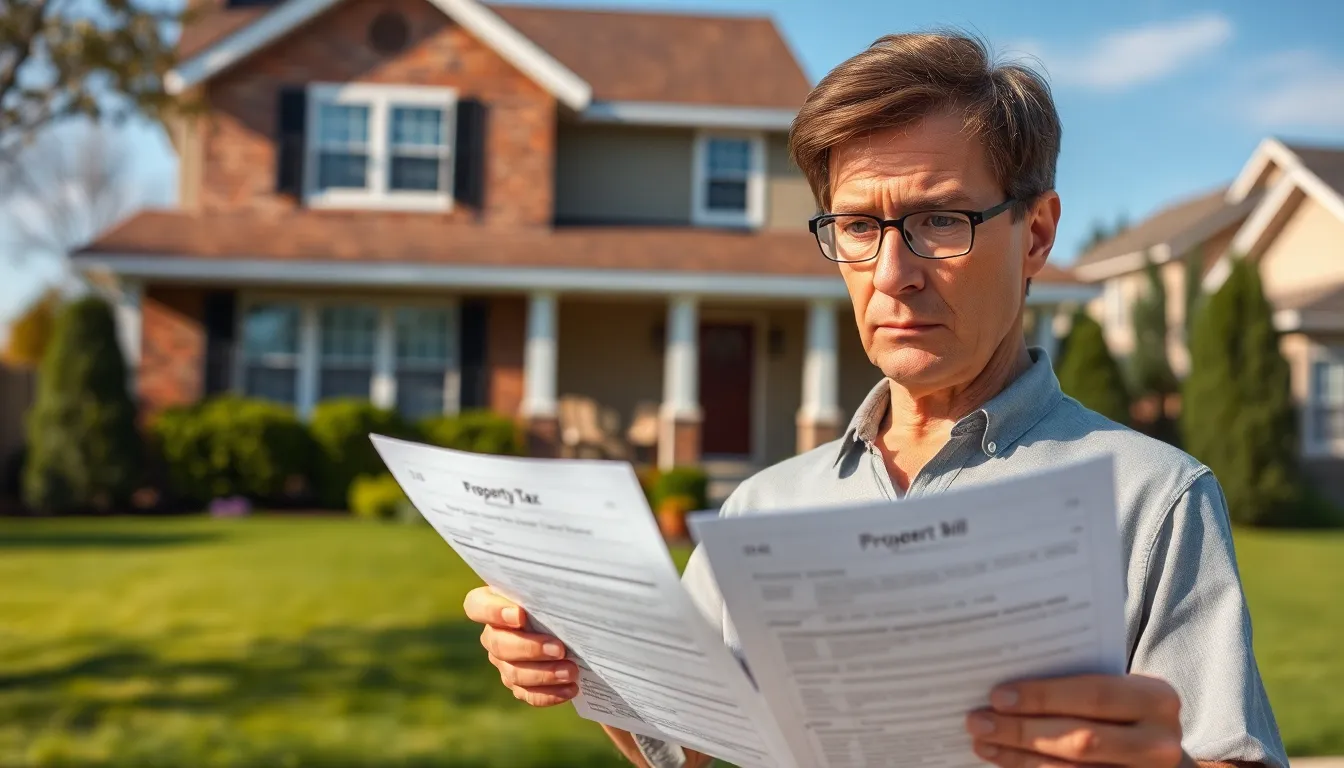
Property taxes can present several challenges for homeowners. Awareness of these common issues helps homeowners navigate their tax responsibilities effectively.
Overvaluation and Its Implications
Overvaluation occurs when property assessments exceed actual market value. This situation leads to inflated property tax bills, causing financial strain. Higher assessments can arise from inaccurate property data or changes in neighborhood conditions. Homeowners facing overvaluation often experience increased payment difficulties. Addressing these issues involves appealing assessments through local tax authorities. Documenting discrepancies, such as recent home sales in the area, can support these appeals. Ensuring accurate tax assessments maintains fairness and affordability for homeowners.
Tax Liens and Delinquency
Tax liens represent a serious consequence of unpaid property taxes. They allow local governments to place claims on properties when taxes go unpaid for extended periods. Delinquency often results in additional penalties, including interest and fees, increasing financial liability. Homeowners with tax delinquencies may face foreclosure or loss of property rights. Understanding local laws regarding tax liens can help homeowners avoid dire outcomes. Seeking assistance from tax professionals can provide strategies for resolving outstanding debts. Timely action prevents more severe repercussions, enabling homeowners to retain their properties.
Resources for Help With Property Taxes
Various resources exist to assist homeowners with property tax challenges. Understanding these options can relieve financial stress.
Local Government Assistance Programs
Local government programs offer significant support for property tax relief. Many municipalities provide exemptions or deferrals based on income, age, or disability status. Programs vary by location, but applications typically require proof of income and residence. Some states initiate tax relief programs during economic downturns, aiding homeowners struggling to pay. Researching specific eligibility requirements through local tax offices can clarify available assistance.
Nonprofit Organizations
Nonprofit organizations also play a crucial role in helping with property taxes. Many offer free or low-cost consultation services to assist in navigating tax assessments and appeals. Groups such as the United Way or local housing advocates frequently provide resources for homeowners. Their services often include educational materials, workshops, and individual guidance to lower tax burdens. Engaging with these organizations can lead to valuable insights and potential financial relief for struggling homeowners.
Steps to Appeal Property Tax Assessments
Homeowners encountering discrepancies in property tax assessments can take specific actions to appeal those assessments successfully. Understanding the necessary steps increases the chances of achieving a favorable outcome.
Preparing for an Appeal
Gathering essential documentation forms the first step in the appeal process. Homeowners must collect relevant data, such as the most recent property assessment, tax bills, and comparable property sales in the area. Establishing a clear basis for the appeal requires thorough research, including local property values and recent trends. Engaging with local property records will provide supporting evidence for claims of overvaluation. A well-prepared file strengthens the homeowner’s position during the appeal process.
Filing the Appeal
Submitting the appeal on time is critical for success. Homeowners should verify the local tax authority’s deadlines and requirements to ensure compliance. Completing the appeal form accurately is imperative; any errors could delay the process or lead to rejection. Providing comprehensive documentation with the appeal reinforces the argument against the assessed value. Seeking advice from tax professionals can enhance the appeal by offering insights into local laws and regulations. Following these steps ensures a structured and informed approach to challenging property tax assessments.
Navigating property tax challenges doesn’t have to be overwhelming. Homeowners can take proactive steps to understand their assessments and explore available resources. By appealing overvalued assessments and seeking assistance from local programs or nonprofit organizations, they can potentially alleviate financial burdens. It’s essential to act promptly and gather the necessary documentation to support their case. With the right knowledge and support, homeowners can regain control over their property tax situation and protect their financial well-being.

