
Property taxes can feel like that unwanted houseguest who never leaves—always lurking around, draining your wallet. For many, these taxes seem to rise faster than a cat on a hot tin roof, leaving homeowners scratching their heads and wondering how they can fight back. Protesting property taxes isn’t just a noble cause; it’s a battle cry for those tired of feeling like their homes are cash cows for local governments.
Understanding Property Taxes
Property taxes represent a significant financial obligation for homeowners. These taxes fund local services, schools, and infrastructure, impacting communities at large.
What Are Property Taxes?
Property taxes are levies imposed by local governments on real estate based on property value. These taxes contribute to essential public services such as education, emergency services, and road maintenance. Each property owner pays a percentage of their property’s assessed value, affecting home budgets. Homeowners often express concern over rising rates that may seem disproportionate to income growth. Understanding the implications of these taxes is critical for making informed financial decisions.
How Property Taxes Are Calculated
Local tax assessors determine property taxes through a multi-step process. First, they assess the market value of properties using various methods, which may include comparable sales or income approaches. Next, the confirmed value is multiplied by the local tax rate, often expressed as a percentage or mill rate. Tax rates vary based on jurisdiction and specific funding needs within the community. Homeowners may find discrepancies between assessed values and market trends, leading to frustrations that spur protest efforts. Transparency in calculations remains essential for public trust and accountability.
The Need for Protesting Property Taxes
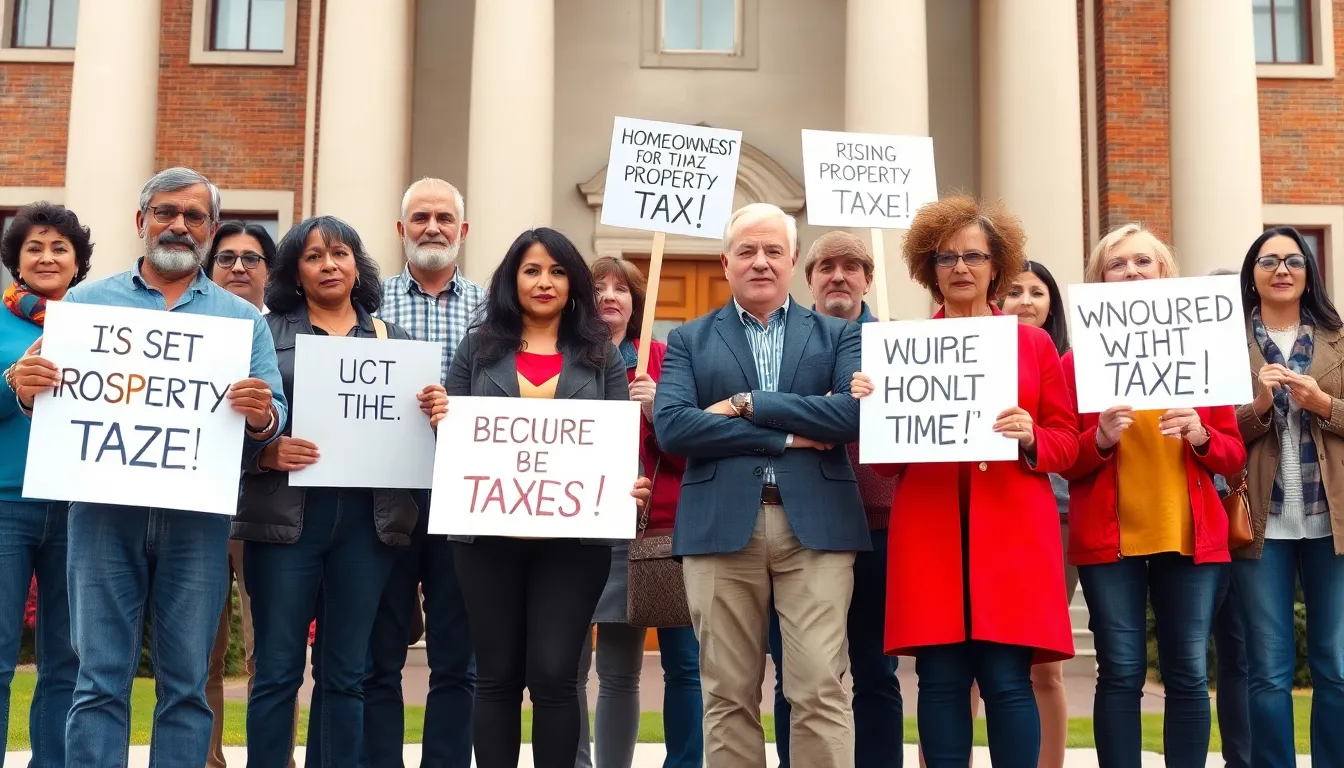
Homeowners increasingly feel a sense of urgency to protest rising property taxes due to their financial impact. Many homeowners view this protest as essential for advocating fairness in local government tax assessments.
Common Reasons for Protesting
Property taxes often appear unfair to homeowners. Discrepancies between assessed values and actual market values frequently cause confusion and frustration. Overestimation of property values leads to inflated tax bills, creating financial strain. Many residents protest when their property taxes increase at rates exceeding their income growth. Communities sometimes implement policies that overlook individual circumstances, prompting residents to demand accountability. Additional reasons for protesting include a lack of transparency surrounding the tax assessment process.
The Impact of High Property Taxes
High property taxes significantly affect household budgets. Families often find themselves stretched thin as a larger portion of their income goes to these taxes. Local businesses may struggle with rising taxes, limiting their ability to invest in growth or hire additional employees. This economic burden can lead to decreased property values in a community. Homeowners frequently worry about losing their homes due to unaffordable tax payments. Additionally, the potential for reduced public services can grow, as high taxes do not always correlate with improved schools and infrastructure.
How to Successfully Protest Property Taxes
Protesting property taxes requires careful preparation and strategy. Homeowners often achieve success by gathering solid evidence and following a structured approach.
Gathering Evidence for Your Case
Begin by collecting documentation that supports the claim of an inflated property value. Obtain recent sales data of comparable properties in the area. Comparable properties, or comps, should resemble the subject property in size, condition, and location. Gather tax records, inspection reports, and any relevant photographs. Include an appraisal from a certified professional if possible. Such evidence provides a solid foundation for the case and enhances credibility when presenting it to the tax authority.
Filing a Protest: Step-by-Step Guide
Filing a protest follows a specific course of action. Confirm the deadlines for filing a property tax appeal in the local jurisdiction. Complete the protest form accurately, ensuring all necessary details are included. Submit the evidence gathered to strengthen the case. Attend the hearing, if applicable, ready to present findings logically and clearly. Prepare to articulate concerns effectively and respond to any questions from the tax assessor. Building a compelling argument often leads to a favorable outcome in contested property assessments.
Strategies for Effective Protests
Effective protests against property taxes require strategic planning and community involvement. Homeowners can amplify their voices and make a more substantial impact through well-coordinated efforts.
Engaging with Local Officials
Engaging with local officials fosters communication about concerns regarding property taxes. Attending town hall meetings presents opportunities to voice grievances directly to representatives. Homeowners should prepare their questions and concerns in advance to ensure clarity. Establishing regular contact with elected officials encourages officials to understand the community’s perspective on tax burdens. Expressing specific instances of financial strain highlights the urgency of the matter. Collaborating in discussions can lead to potential reassessments of tax policies in response to constituents’ needs.
Building Community Support
Building community support enhances the effectiveness of property tax protests. Organizing neighborhood meetings creates a platform for homeowners to share their experiences and concerns. Sharing insights about recent tax assessments can clarify common issues many face. Forming a coalition increases collective power when presenting a unified front to local officials. Utilizing social media allows residents to connect, share information, and mobilize for larger demonstrations. Engaged communities are more likely to attract media attention, drawing focus to their cause. Mobilizing together motivates local leaders to reassess tax practices for fairness.
Protesting property taxes is more than just a financial necessity; it’s a call for fairness and accountability in local governance. Homeowners who take a stand can influence tax policies and promote transparency in assessment processes. By rallying together and utilizing strategic planning, they can amplify their voices and foster community support.
This collective effort not only addresses individual financial burdens but also paves the way for a more equitable tax system that benefits everyone. Engaging with local officials and participating in community discussions can lead to meaningful change. As homeowners unite in their fight against rising property taxes, they not only protect their own interests but also contribute to a fairer future for all residents.

