Living in a tiny home means every square inch matters. There’s no room for wasted space, redundant furniture, or cluttered countertops, everything needs a purpose. Smart storage isn’t just about shoving things into closets: it’s about strategic design that makes a 400-square-foot space feel like twice that. Whether you’re building new, renovating, or just trying to reclaim your sanity from the chaos, these storage solutions combine function with a bit of ingenuity. Let’s dig into practical ways to keep your tiny home organized without sacrificing style or livability.
Table of Contents
ToggleKey Takeaways
- Tiny home storage ideas must maximize vertical wall space rather than floor space, using wall-mounted shelving, pegboards, and ceiling-mounted racks to free up precious square footage.
- Multi-functional furniture like storage ottomans, platform beds with drawers, and Murphy beds serves double or triple duty, combining seating, sleeping, or workspace with hidden storage compartments.
- Kitchen storage hacks such as magnetic knife strips, pull-out pantry cabinets, and stackable containers make compact cooking spaces more efficient without requiring major renovations.
- Bathroom storage solutions including over-the-toilet shelving, tension rod dividers, and magnetic strips keep tiny home bathrooms organized while maintaining easy access to daily essentials.
- Strategic bedroom storage through floating nightstands, under-bed bins on wheels, and closet organizers with double hang rods allows tiny homes to serve multiple purposes without clutter.
Why Smart Storage Is Essential for Tiny Home Living
Tiny homes operate on a different set of rules than traditional houses. In a standard home, you can afford a junk drawer, a spare closet, or a basement full of forgotten boxes. In a tiny home, that luxury doesn’t exist.
Every item you own competes for the same limited real estate, so storage becomes a matter of survival, not just aesthetics. Without intentional planning, clutter accumulates fast. A few misplaced shoes, a stack of mail, or an overflowing pantry can make even the best-designed space feel cramped and chaotic.
Good storage does three things: it maximizes vertical space, incorporates multi-functionality, and keeps daily essentials accessible. When done right, it transforms a tiny home from a cramped box into a well-oiled machine where everything has a place. And when you’re working within tight square footage, that efficiency makes all the difference between comfortable living and constant frustration.
Vertical Storage Solutions That Free Up Floor Space
Floor space is gold in a tiny home, so the logical move is to build up. Walls offer untapped storage potential that most people overlook.
Wall-mounted shelving is the easiest starting point. Install open shelves above doorways, windows, or along hallways. Use them for books, plants, or bins that hold smaller items. Just make sure they’re anchored into studs, drywall anchors alone won’t hold much weight over time.
Pegboards aren’t just for garages. Mount one in the kitchen for utensils, in the bedroom for accessories, or in the entryway for keys and bags. They’re endlessly customizable and can be painted to match your décor.
Ceiling-mounted racks work great in kitchens for hanging pots and pans or in bedrooms for bikes. If your ceiling joists are exposed (common in tiny homes), you’ve got built-in attachment points. Use S-hooks or pot rack kits designed for weight distribution.
Tall, narrow cabinets make use of awkward vertical spaces that wouldn’t fit standard furniture. A 12-inch-wide floor-to-ceiling cabinet can hold pantry goods, cleaning supplies, or linens without hogging precious floor area. Homes in need of budget-friendly upgrades often benefit from vertical solutions that don’t require gutting entire rooms.
Ladder shelves lean against the wall and provide tiered storage without installation. They’re portable, affordable, and easy to reposition as your needs change.
Multi-Functional Furniture for Hidden Storage
In a tiny home, furniture can’t just look good, it has to work double or triple duty. Multi-functional pieces are non-negotiable.
Storage ottomans serve as seating, footrests, and hidden bins for blankets, magazines, or seasonal items. Look for ones with removable lids for easy access.
Platform beds with built-in drawers replace the need for a separate dresser. Some designs include hydraulic lift mechanisms that reveal an entire storage cavity beneath the mattress, perfect for bulky items like luggage or off-season clothes.
Coffee tables with lift tops create a workspace or dining surface while hiding remotes, books, or board games underneath. Designers at Apartment Therapy frequently showcase these as centerpiece solutions in compact living rooms.
Benches with cubbies work well in entryways or at the foot of a bed. Use them for shoes, pet supplies, or gym gear. Add baskets to keep things tidy and visually cohesive.
Murphy beds (wall beds) fold up when not in use, freeing the entire bedroom floor for daytime activities. Modern versions come with built-in shelving or desks that remain accessible even when the bed is down.
Expandable dining tables are another smart pick. A table that seats two can expand to seat six when guests arrive, then fold back down to reclaim floor space.
Kitchen Storage Hacks for Compact Cooking Spaces
Tiny home kitchens demand creativity. You’re working with limited counter space, minimal cabinets, and appliances that need to earn their keep.
Magnetic knife strips mounted on the wall or side of a cabinet free up drawer space and keep blades accessible. They also work for metal spice tins or small tools.
Pull-out pantry cabinets fit into narrow gaps between appliances or cabinets. A 6-inch-wide rolling pantry can hold canned goods, oils, and spices without taking up valuable floor area.
Under-shelf baskets clip onto existing cabinet shelves to add an extra tier of storage. Use them for mugs, small plates, or snack bags.
Corner lazy Susans make the most of awkward corner cabinets. A two-tier model provides easy access to condiments, baking supplies, or small appliances.
Over-the-sink cutting boards create temporary counter space when you need it. Some models include built-in colanders for multitasking. Compact cooking setups benefit from advice found on platforms like The Kitchn, where small kitchen efficiency is a recurring theme.
Hooks inside cabinet doors hold pot lids, measuring cups, or dish towels. It’s a simple hack that maximizes vertical real estate inside cramped cabinets.
Stackable food containers eliminate wasted space in the pantry and fridge. Choose square or rectangular shapes, round containers waste valuable real estate.
Clever Bathroom Storage Ideas That Work in Tiny Spaces
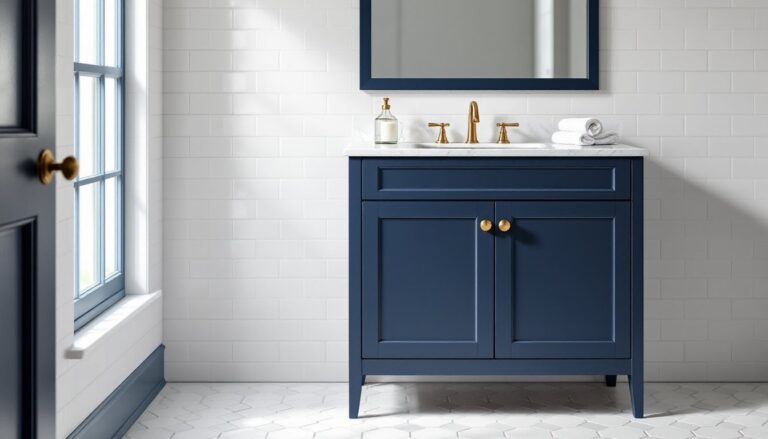
Tiny home bathrooms often resemble boat heads or RV baths, compact, efficient, and short on storage. Every inch counts.
Over-the-toilet shelving units make use of otherwise dead space. Look for open shelving or cabinet combos that fit around the tank. They’re ideal for toiletries, towels, or decorative baskets.
Medicine cabinets with mirrors serve dual purposes and keep daily essentials hidden but accessible. Recessed models (set into the wall cavity between studs) save even more space.
Tension rod dividers installed under the sink create vertical compartments for cleaning supplies, hair tools, or extra toilet paper. They prevent items from toppling over every time you open the cabinet.
Shower caddies with suction cups or tension poles keep shampoo, soap, and razors organized without drilling into tile. Avoid cheap plastic versions, they fail fast. Look for stainless steel or coated wire models that resist rust.
Magnetic strips mounted inside cabinet doors hold tweezers, nail clippers, bobby pins, and other small metal items that usually get lost in drawers.
Fold-down shower seats with integrated storage compartments provide a place to sit while shaving and hide bath toys or cleaning supplies. Many tiny home projects prioritize space-saving renovations that blend function with minimal footprint.
Towel hooks instead of bars take up less wall space and allow you to hang multiple towels in a tight area. Install them on the back of the door or along a narrow wall.
Creative Bedroom Storage to Declutter Your Sleep Space
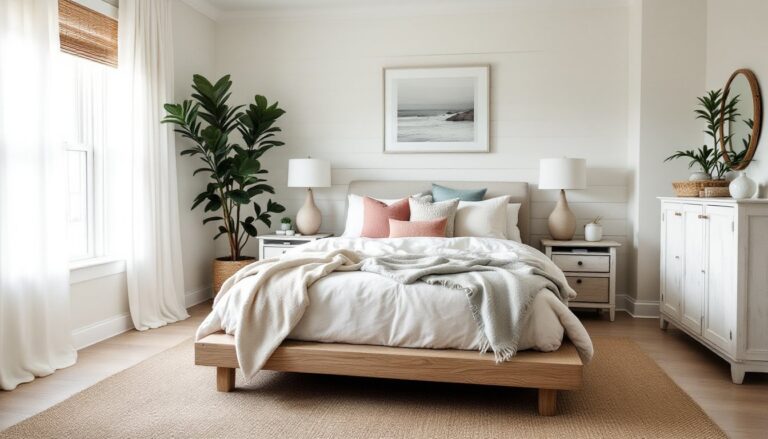
Bedrooms in tiny homes often serve multiple roles: sleeping quarters, closet, and sometimes home office. Storage has to be strategic.
Floating nightstands with drawers or shelves free up floor space and provide surface area for a lamp, phone, or book. Mount them at mattress height for easy reach.
Under-bed storage bins on wheels slide in and out easily and can hold shoes, linens, or off-season clothes. Measure your bed’s clearance first, most platform beds offer 8 to 12 inches of space underneath.
Closet organizers with double hang rods maximize vertical closet space. Hang shirts on the top rod and pants or skirts on the bottom. Add shelf dividers to keep folded items from toppling.
Hooks on the back of the bedroom door hold robes, bags, or tomorrow’s outfit. Use over-the-door shoe organizers for accessories, scarves, or small electronics.
Headboards with built-in shelving replace the need for nightstands and provide cubbies for books, charging cables, or décor. Some designs include hidden compartments behind panels.
Wardrobes with sliding doors take up less swing space than traditional hinged doors and can be customized with internal shelving, drawers, or hanging rods. According to resources like Real Simple, modular closet systems adapted for tiny homes can double usable storage.
Vacuum storage bags compress bulky items like comforters or winter coats down to a fraction of their size. Store them under the bed or in high closet shelves.
Conclusion
Tiny home living isn’t about doing without, it’s about doing smarter. With the right storage strategies, a compact space can hold everything you need without feeling cramped or chaotic. Vertical solutions, multi-functional furniture, and clever hacks tailored to each room turn square footage into an asset, not a limitation. Start with one or two ideas that fit your layout and build from there. The goal is a home that works for you, not against you.