
In a world where every square foot counts, vacant properties stand out like that one friend who always shows up to the party without a plus one. While some may see these empty spaces as a missed opportunity, local governments are turning the tables with vacant property taxes. This quirky tax isn’t just about squeezing a few extra bucks from property owners; it’s about revitalizing communities and tackling housing shortages.
Imagine a city where every building has a purpose, where neglected lots transform into vibrant parks or affordable housing. That’s the vision behind vacant property taxes, which aim to motivate owners to either sell, rent, or develop their underutilized properties. So why let that dusty old building sit idle when it could be the next hot spot in town? Let’s dive into the ins and outs of this intriguing tax and discover how it’s reshaping urban landscapes.
What Is Vacant Property Tax?
Vacant property tax represents a legislative effort by local governments to tackle the issues related to unoccupied real estate. This tax applies to residential and commercial properties that remain empty for extended periods. Governments implement it to discourage property owners from leaving their assets unused and to promote community development.
The core objective of vacant property tax centers on revitalizing neighborhoods. Property owners bear financial responsibility when their properties sit idle. Tax rates vary significantly across jurisdictions, with some cities imposing substantial penalties to encourage prompt action.
Implementing this tax contributes to a broader strategy aimed at alleviating housing shortages. By incentivizing owners to sell or rent, vacant property taxes release potential housing units into the market. Research indicates that cities with such taxes often experience increased property utilization and reduced blight.
Successful examples include cities like San Francisco and Vancouver, which adopted these taxes to combat homelessness and improve urban landscapes. Local governments leverage revenue generated from these taxes to fund community projects or affordable housing initiatives. The result embodies a more dynamic and attractive urban environment.
Vacant property tax serves a dual purpose: it penalizes inactivity and revitalizes communities. Property owners face a choice between investing in their properties or facing financial consequences. This approach reflects a growing commitment to sustainable urban development and affordable housing solutions.
Reasons for Implementing Vacant Property Tax
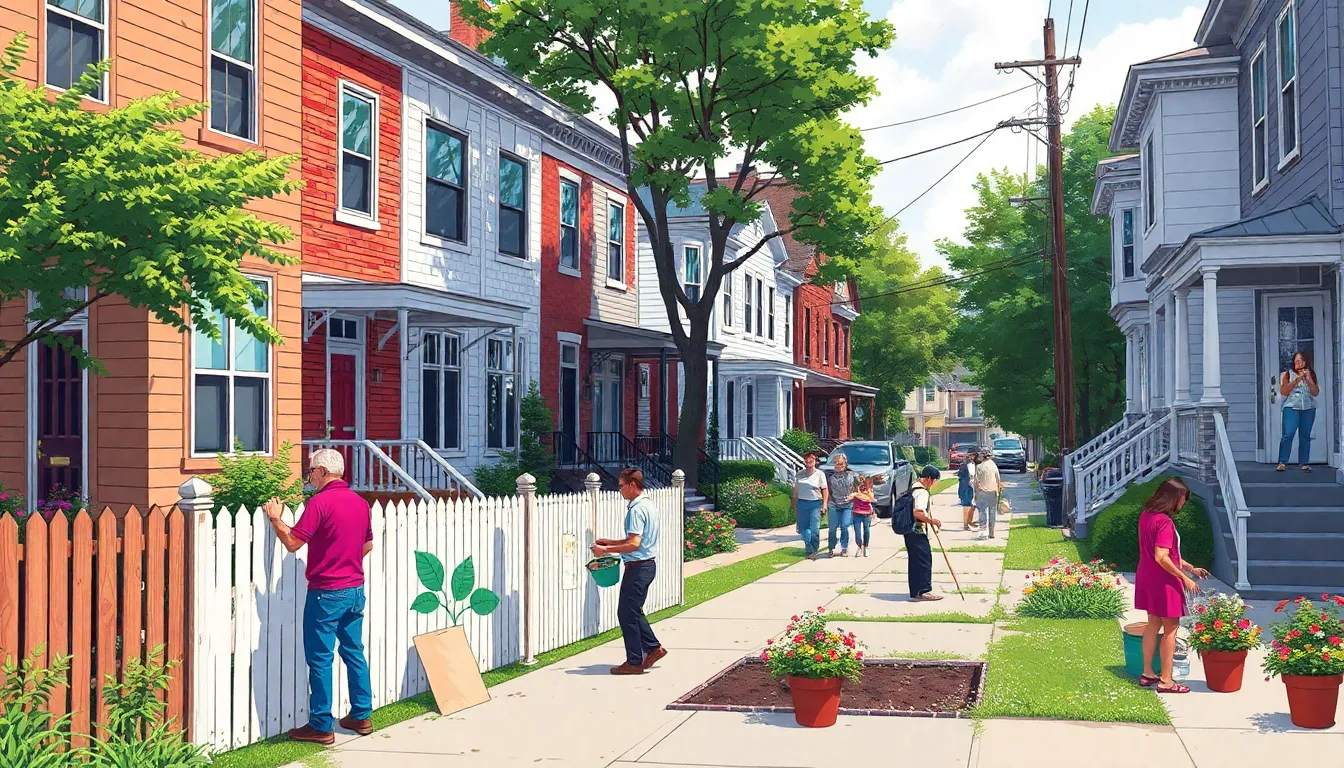
Vacant property taxes serve several essential purposes in urban development and community revitalization. By focusing on various factors, local governments can address the challenges associated with vacant properties effectively.
Encouraging Property Utilization
Encouraging property utilization remains a primary goal of vacant property taxes. Financial incentives prompt owners to either sell or lease their unused properties. Consequently, this leads to an increased availability of housing units. Local governments often see a boost in market activity when property owners feel the pressure of additional tax liabilities. Statistics show that cities implementing such taxes successfully enhance property turnover rates and promote responsible ownership. Ultimately, revitalizing neglected properties benefits community members and fosters economic growth.
Reducing Urban Blight
Reducing urban blight represents another critical focus of vacant property taxes. These taxes address the deterioration of neighborhoods caused by abandoned or poorly maintained properties. Tackling blight not only improves the overall aesthetics of a community but also raises property values in neighboring areas. Cities with active vacant property tax policies frequently report decreases in vandalism and crime rates. Maintaining a clean and inviting environment significantly attracts new residents and businesses. As a result, revitalization efforts foster a sense of pride among community members and encourage long-term investment in urban spaces.
Areas Affected by Vacant Property Tax
Vacant property taxes impact various regions, encouraging the effective use of underutilized land. Major cities enact their own policies, each tailored to local needs and challenges.
Major Cities and Their Policies
San Francisco and Vancouver exemplify successful strategies, imposing significant taxes on vacant residential and commercial properties. Collectively, these cities aim to promote housing availability and decrease homelessness. Philadelphia introduced a different approach, opting for a lower tax rate but implementing strict monitoring of vacant properties. Chicago focuses on neighborhoods with high vacancy rates, using tax revenue to fund community enhancements. Overall, major cities prioritize revitalizing urban spaces through targeted vacant property tax policies, encouraging quicker property utilization.
Variations by State
Variations in vacant property tax laws depend heavily on state regulations and local priorities. In California, cities like San Francisco adopt aggressive tax rates, while smaller towns implement more lenient approaches. New York City employs a tiered system, where longer vacancies incur higher taxes, stimulating action from property owners. Conversely, states like Arizona lack widespread vacant property tax policies, resulting in limited regulation of unoccupied homes. Efforts to establish these taxes vary regionally, reflecting diverse attitudes toward urban development and housing challenges.
Pros and Cons of Vacant Property Tax
Vacant property taxes come with various implications for local governments and property owners. Understanding these advantages and disadvantages allows for a more comprehensive view of their impact.
Advantages for Local Governments
Local governments gain significant benefits from implementing vacant property taxes. This tax generates revenue that officials can use to fund community projects and affordable housing initiatives. Communities experiencing housing shortages often witness an increase in available units as property owners are encouraged to sell or rent. Public safety improvements frequently follow increased property utilization, with reduced vandalism and crime rates reported. Overall, these taxes contribute to urban revitalization and enhance neighborhood aesthetics. Increased pride among community members often leads to long-term investments in local development.
Disadvantages for Property Owners
Property owners face several challenges due to vacant property taxes. Financial burdens may occur as tax rates increase, leading to higher carrying costs on unoccupied properties. Owners might feel pressured to sell or lease their properties quickly, even if market conditions are not favorable. This rush can result in lower property values and potential financial losses. Legal complications sometimes arise as owners navigate stringent monitoring and compliance measures set by local governments. Therefore, while the intention behind these taxes is to promote property utilization, property owners may experience significant financial strain in the process.
Vacant property tax serves as a crucial tool for local governments aiming to revitalize communities and tackle housing shortages. By imposing financial responsibilities on property owners, these taxes encourage the transformation of neglected spaces into vibrant, usable properties. The positive outcomes seen in cities like San Francisco and Vancouver highlight the potential for increased property utilization and improved urban aesthetics.
While these taxes present challenges for property owners, the broader benefits to communities cannot be overlooked. As cities continue to adapt their strategies, the focus remains on fostering sustainable urban development and creating affordable housing solutions. Ultimately, vacant property tax represents a significant step toward reshaping urban landscapes for the better.

